Source phenolic glue lvl beam for formwork, rafters, and beams
Compare 30 phenolic glue lvl beam options from Chinese manufacturers. Buyers can evaluate specifications like thickness, length, and bonding strength for structural formwork, rafters, and beams.
Key considerations
Products List


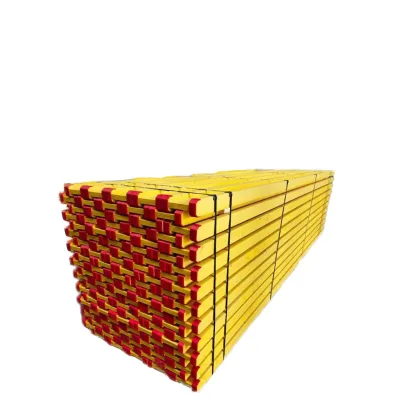


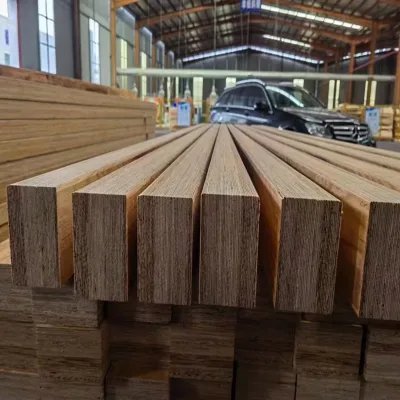
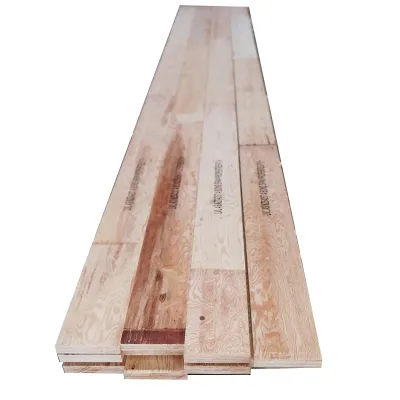
Comprehensive Sourcing Guide
Phenolic Glue LVL Beam Sourcing Guide
Procuring phenolic glue LVL beams requires a disciplined approach to verifying material integrity, bonding performance, and dimensional consistency. These engineered wood products are constructed by bonding thin veneers of timber under high pressure and temperature, with phenolic resin serving as the primary adhesive to ensure water resistance and structural durability. Buyers must distinguish between standard structural LVL and specialized formwork beams, as the latter often require specific surface treatments and higher bonding strength ratings to withstand the harsh conditions of concrete pouring and stripping cycles. The core material typically consists of pine or radiata pine, selected for its favorable strength-to-weight ratio and availability, though larch and other hardwoods may appear in specialized listings.
The sourcing landscape for these beams is characterized by a wide variance in specifications, ranging from basic indoor applications to heavy-duty outdoor formwork systems. Observed market data indicates a broad price range and flexible minimum order quantities, suggesting that buyers can tailor their procurement strategies to match project scales, from small residential builds to large commercial infrastructure projects. However, this flexibility demands rigorous due diligence. Procurement teams must verify that the "phenolic glue" designation corresponds to actual weather-resistant bonding standards and that the "LVL" classification aligns with the intended structural load requirements. Misalignment between the advertised glue type and the actual performance under moisture exposure is a common risk that can lead to premature structural failure or formwork collapse.
Product Scope and Observed Listing Signals
The product scope for phenolic glue LVL beams encompasses a variety of configurations designed for structural support and concrete formwork. Listings frequently highlight customization options, allowing buyers to specify dimensions such as lengths up to 8.1 meters and widths up to 1500mm. The core material is predominantly pine, including New Zealand Radiata Pine, which is valued for its consistent grain and mechanical properties. Some products feature a full larch core, offering enhanced durability for specific environmental conditions. The face and back surfaces may be sanded, painted, or stamped with log patterns, depending on whether the beam is intended for hidden structural use or visible architectural applications. Buyers should note that while "waterproof paint" is mentioned in some listings, the primary water resistance comes from the phenolic adhesive system, not the surface finish.
Observed listing signals reveal significant variability in technical attributes that directly impact procurement decisions. Bonding strength is categorized into different grades, such as I(NQF), Ⅱ(Ns), and Ⅲ(Nc), indicating varying levels of resistance to delamination under stress and moisture. Formaldehyde emission standards range from Grade One to Excellent Grade, reflecting different environmental compliance levels. Certifications listed include AS/NZS 4357, Jas-Anz, FSC, and ISO9001:2000, which serve as critical indicators of manufacturing quality and regulatory adherence. The density of the beams typically falls between 600-750kg/M3, a range that influences both the weight handling requirements on site and the structural stiffness of the final product. Buyers must cross-reference these signals with their project specifications to ensure compatibility.
Technical Specifications to Verify
Dimensional accuracy is paramount when sourcing LVL beams, as deviations can compromise structural integrity and installation efficiency. Standard sizes often include lengths of 3600, 4800, 5400, and 6000mm, with some suppliers offering extended lengths up to 12 meters. Thicknesses commonly range from 40mm to 100mm, with specific profiles like 45x90mm or 63x360mm being prevalent in formwork applications. Widths are available in increments such as 90, 140, 190, and 240mm, allowing for precise load distribution calculations. Buyers should verify that the specified width and thickness tolerances align with engineering drawings, as even minor discrepancies can affect the fit of formwork systems or the bearing capacity of beams. Customized models are available, but these may incur higher costs and longer lead times.
The type of glue and core composition directly influence the beam's performance in different environments. Phenolic glue is preferred for its superior water resistance and durability, making it suitable for outdoor and formwork applications where exposure to moisture is inevitable. In contrast, melamine or WBP glues may be used for indoor applications where extreme weather resistance is not required. The core material, whether pine, larch, or radiata pine, affects the beam's density and strength. For structural formwork, beams with a density of 600-630kg/M3 or higher are often selected to ensure rigidity. Buyers must confirm that the glue type matches the intended usage, as using indoor-rated beams in outdoor settings can lead to rapid degradation and safety hazards.
Compliance and Safety Documentation
Certification is a non-negotiable aspect of sourcing LVL beams, particularly for structural and formwork applications. Standards such as AS/NZS 4357 and Jas-Anz are critical for verifying that the beams meet regional safety and performance requirements. These certifications ensure that the product has undergone rigorous testing for bending strength, modulus of elasticity, and bonding durability. Buyers should request valid certification documents from suppliers and verify their authenticity with the issuing bodies. The presence of FSC certification indicates that the wood fiber originates from responsibly managed forests, which is increasingly important for projects with sustainability mandates. ISO9001:2000 certification further assures that the manufacturer adheres to consistent quality management practices.
Formaldehyde emission standards are another key compliance factor, especially for indoor applications where air quality is a concern. Standards like E14 and Carb indicate the level of formaldehyde released by the product, with lower values representing safer indoor environments. Buyers must ensure that the selected beams meet the specific emission limits required by local building codes and project specifications. Additionally, CE marking may be relevant for projects in Europe, indicating conformity with health, safety, and environmental protection standards. Documentation should also include test reports for bonding strength and density, providing empirical evidence of the beam's performance characteristics. Without these documents, buyers risk procuring non-compliant materials that could lead to project delays or legal liabilities.
Cost Drivers and Commercial Terms
The cost of phenolic glue LVL beams is influenced by several factors, including material quality, dimensions, and certification levels. Higher density cores and specialized glues, such as phenolic resin, typically command higher prices due to their superior performance characteristics. Customized dimensions and non-standard lengths may also increase costs due to production complexity and material waste. Buyers should consider the total cost of ownership, which includes transportation, handling, and potential waste due to dimensional inaccuracies. While observed price ranges are broad, focusing solely on the lowest price can lead to compromises in quality and safety. A balanced approach that weighs cost against performance and compliance is essential for successful procurement.
Commercial terms such as minimum order quantity (MOQ) and packaging methods significantly impact procurement logistics. MOQs can range from 1 to 1000 units, offering flexibility for small projects but potentially limiting economies of scale for larger ones. Packaging is typically done on wooden pallets or in containers, which affects shipping efficiency and protection during transit. Buyers should negotiate clear terms regarding delivery schedules, payment methods, and liability for damaged goods. Understanding the supplier's production capacity and lead times is crucial for aligning procurement with project timelines. Transparent communication about these commercial terms helps prevent misunderstandings and ensures a smooth supply chain process.
Supplier Qualification and Quality Control
Supplier qualification is the first line of defense against procurement risks. Buyers should assess the supplier's manufacturing capabilities, including their production technology, quality control processes, and track record. Suppliers with established certifications and positive customer feedback are generally more reliable. It is advisable to request samples for testing before placing large orders, allowing buyers to verify dimensional accuracy, bonding strength, and surface quality. Visiting the manufacturing facility, if possible, can provide valuable insights into the production environment and quality management practices. Building a relationship with a qualified supplier fosters trust and facilitates better communication throughout the procurement process.
Quality control measures should be integrated into the procurement strategy to ensure consistent product performance. Buyers should specify clear quality criteria in their purchase orders, including tolerances for dimensions, density, and bonding strength. Regular inspections during production and before shipment can help identify and rectify defects early. Suppliers should provide detailed inspection reports and test results for each batch. Implementing a robust quality control system reduces the risk of receiving substandard materials and minimizes the potential for project disruptions. Continuous monitoring of supplier performance allows buyers to make informed decisions about future procurement and maintain high standards of quality.
Long-Term Procurement Checks
Long-term procurement success depends on continuous evaluation of supplier performance and market trends. Buyers should regularly review supplier delivery times, product quality, and responsiveness to issues. Establishing key performance indicators (KPIs) for suppliers helps track their performance over time and identify areas for improvement. Staying informed about changes in industry standards, certification requirements, and material technologies ensures that procurement strategies remain aligned with current best practices. Engaging with industry networks and attending trade shows can provide insights into emerging trends and new suppliers. A proactive approach to supplier management helps mitigate risks and ensures a stable supply of high-quality LVL beams.
Sustainability and ethical sourcing are increasingly important considerations for long-term procurement. Buyers should prioritize suppliers who demonstrate commitment to environmental responsibility and social accountability. Certifications like FSC and ISO9001 are indicators of such commitments. Regular audits of supplier practices can verify compliance with sustainability standards and ethical labor practices. Incorporating sustainability into procurement strategies not only reduces environmental impact but also enhances brand reputation and meets the growing demand for responsible sourcing. By focusing on long-term relationships and continuous improvement, buyers can build a resilient and sustainable supply chain for phenolic glue LVL beams.
FAQs
What glue types are used for phenolic glue LVL beams?
Phenolic glue is the primary adhesive used for these beams, though Melamine and WBP options are also available. This bonding ensures high durability and water resistance suitable for outdoor applications and structural formwork concrete beams.
Which core materials are available for these LVL beams?
The core materials include Pine, Full Larch, and New Zealand Radiata Pine. These materials provide the necessary density and strength, with options ranging from 600 to 750kg/M3 depending on the specific grade and product configuration.
Can I find LVL beams with specific formaldehyde emission standards?
Yes, products are available meeting EGrade Grade One and Excellent Grade formaldehyde emission standards. These standards ensure the beams are safe for various applications while maintaining the structural integrity required for construction projects.
What certifications do these phenolic glue LVL beams hold?
Common certifications include AS/NZS 4357, Jas, FSC, ISO9001:2000, Carb, and CE. These documents verify the quality and compliance of the beams with international standards for safety and environmental performance in global markets.
How are the dimensions of these LVL beams specified?
Dimensions vary widely with thickness options like 45, 63, 75, and 80mm, and lengths up to 8.1 meters. Widths can reach up to 1500mm, allowing for customization to fit specific structural formwork and rafter requirements.
What is the bonding strength classification for these beams?
Bonding strength is classified under I(NQF), II(Ns), and III(Nc) categories. These classifications indicate the durability of the glue line under different environmental conditions, ensuring reliability for both indoor and outdoor usage scenarios.
Are customization options available for phenolic glue LVL beams?
Customization is available for product models, sizes, and surface treatments like sanding or painting. Buyers can request specific dimensions and edge treatments to match their project needs while maintaining the core structural properties of the beam.